|
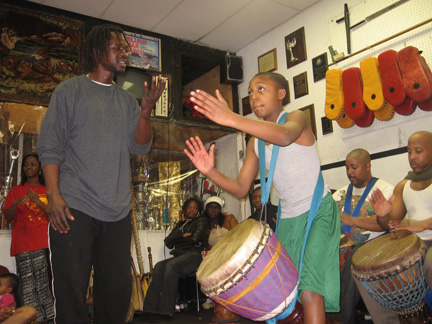 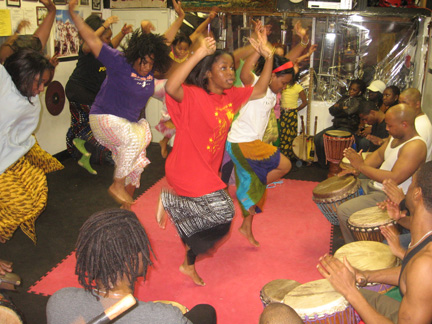 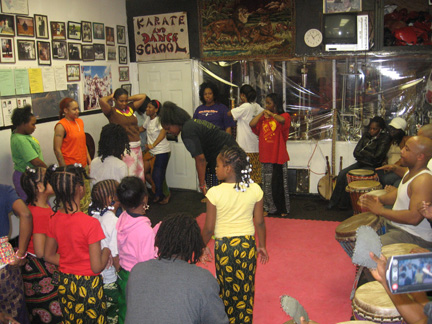
DANCE and
DRUM CLASSES ARE HELD
WHERE:
Unity Community Center
home of Universal African Dance and Drum Ensemble & Universal Pasha Karate
School
3901 Westfield Avenue
Camden, New Jersey 08110
CALL or TEXT- (856) 364-0703 or (609) 501-9339 or
LAND LINE- (856) 365-4817 or (856) 365-1226
WHEN:
Every Wednesday and Special scheduled classes
TIME(s):
7:00 p.m. to 8:30 p.m.
(For ALL, especially beginners and intermediate members)
8:35 p.m. to 9:30 p.m. (Advance members and
Rehearsal)
FEE:
Non members or those who prefer not to register or join which is
excellent for those that want to exercise while learning African Dance
$10.00 per class and $20.00 for African
LAPA
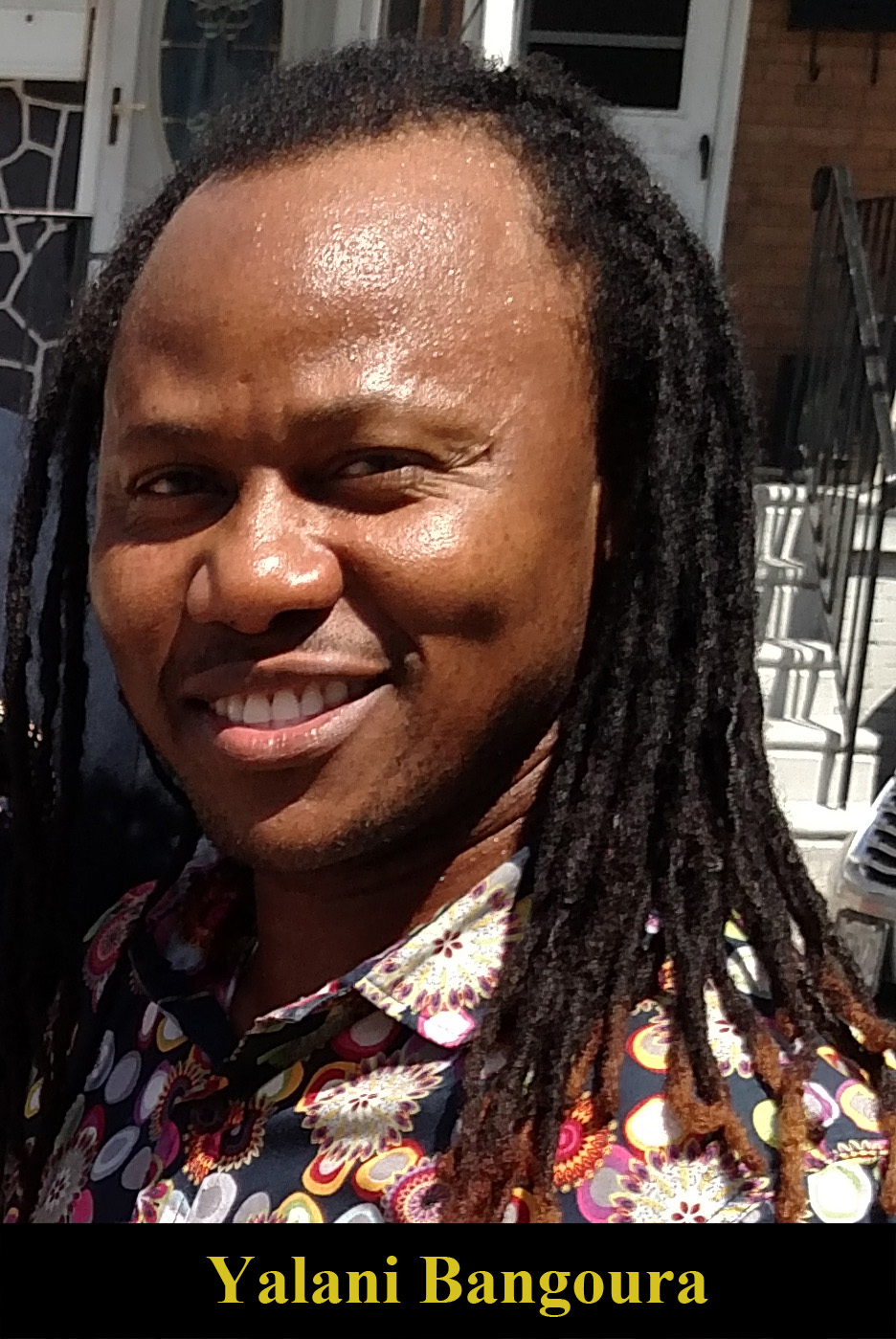
TEACHER- Baba Yalani Bangoura- Guinea,
West Africa
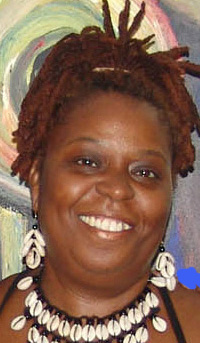

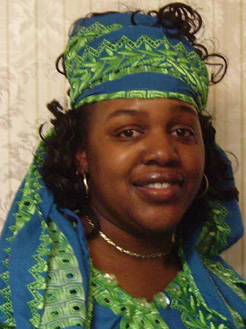
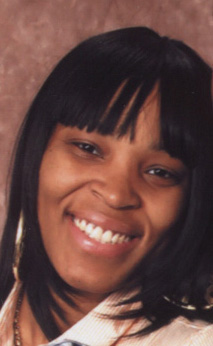 
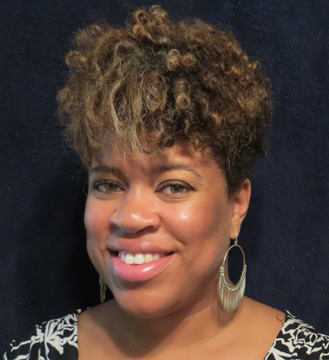
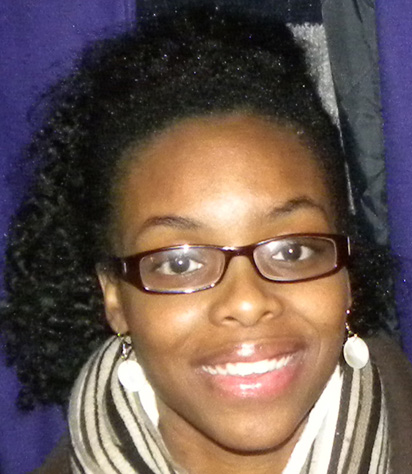
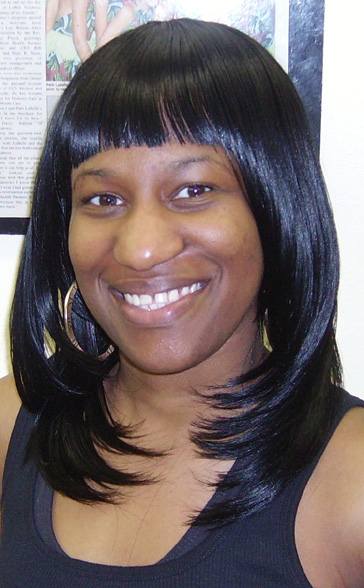 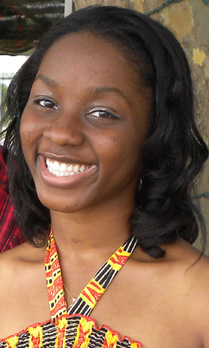
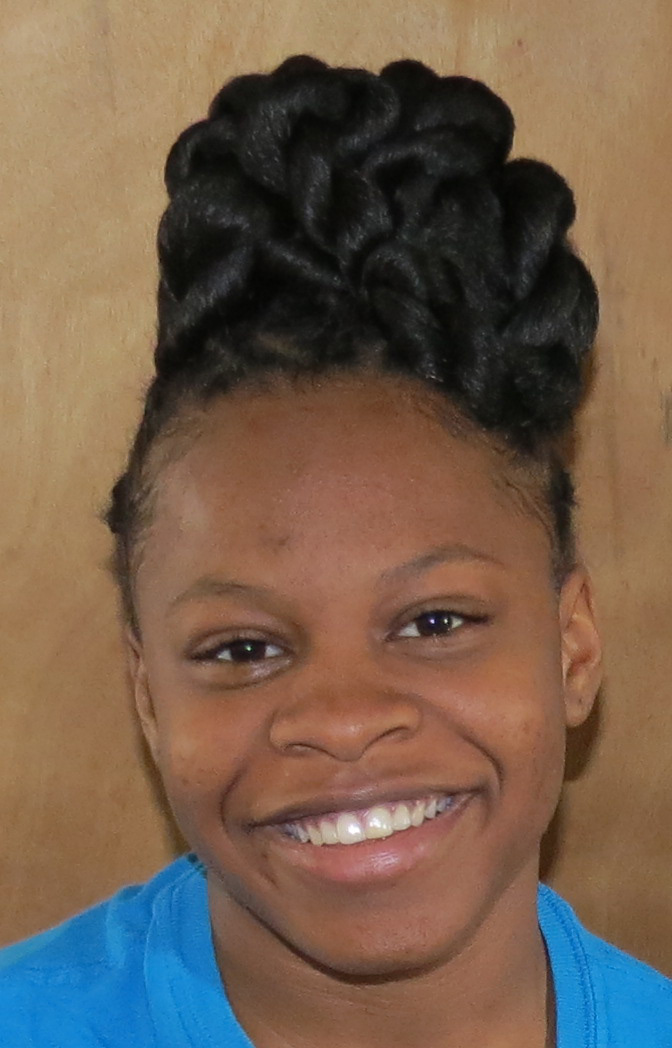
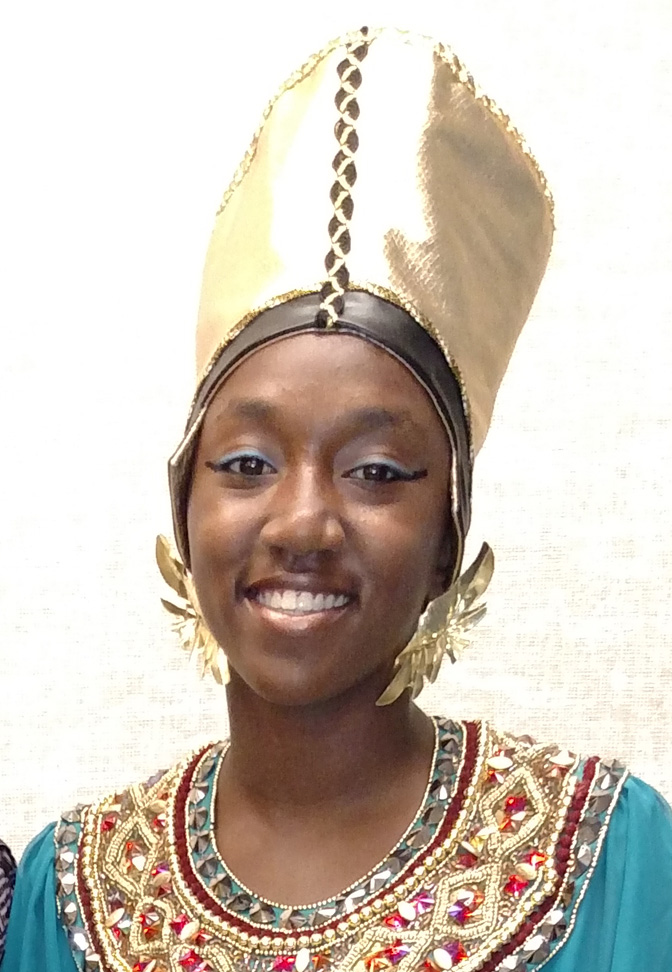
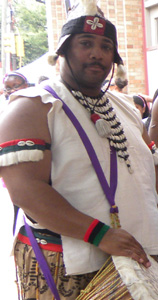
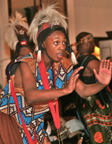
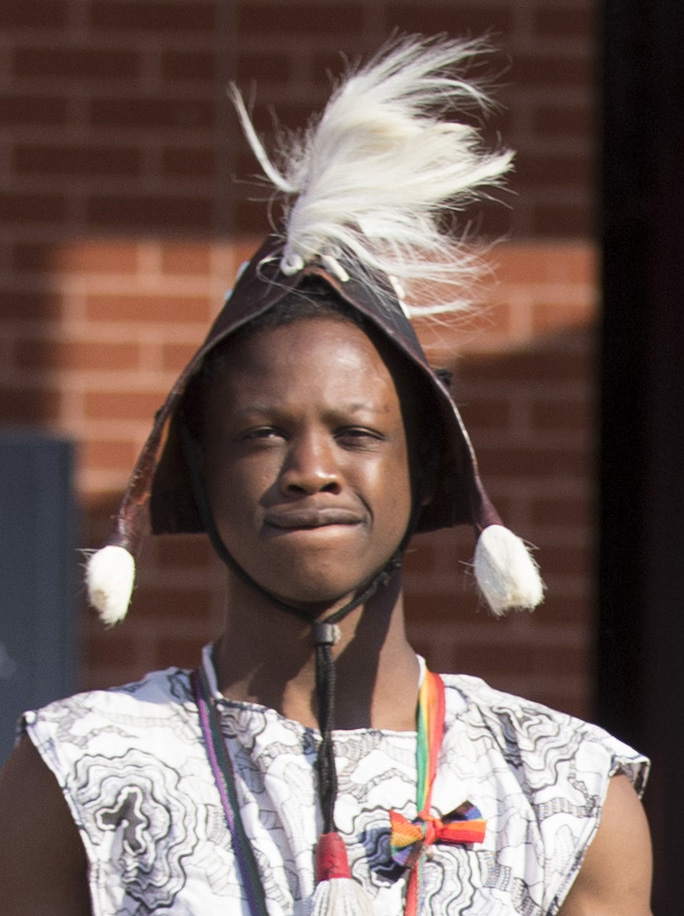
Dance Teachers & Instructors:
Left to Right /
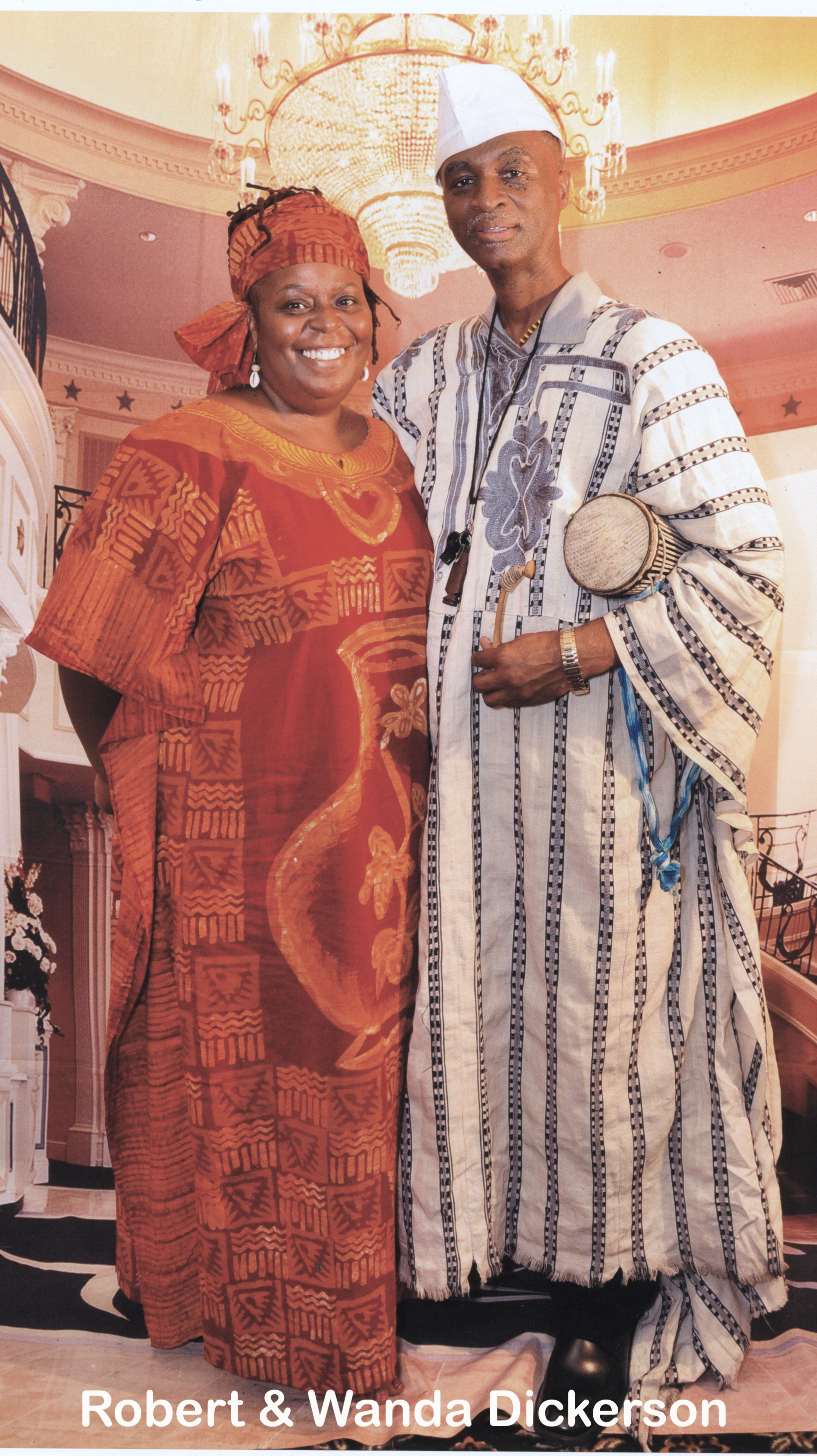
Mama Wanda Dickerson-
Co-Founder & VP of International Affairs,
Atiya Dickerson-Johnson-
Artistic & Dance Director,
Ronsha Dickerson,
Ayanna P. Dickerson, Sierra Pratt, Latisee Watson, Namibia EL, Byheijja Sabree, Kia Mathes, Bintou Diabate,
Nejma Maddox & Yakira Watson

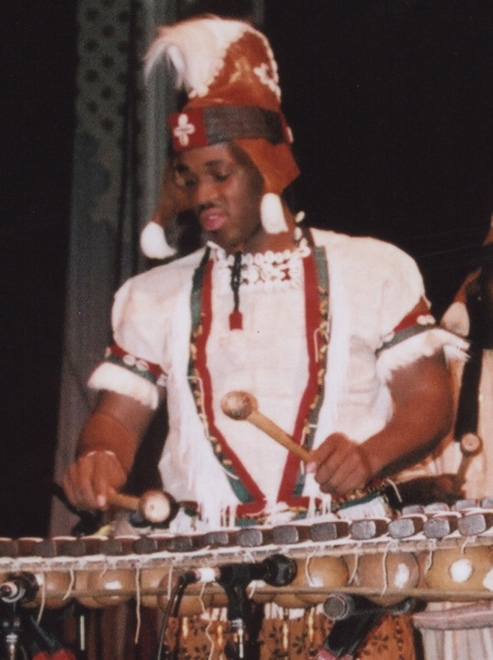

Drum Teachers & Instructors:
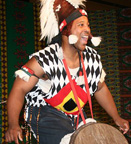
Left to Right /
Robert Dickerson-
Founder & CEO,
Jamal P. Dickerson-
Chief Choreographer & Artistic Director,
Nasir P. Dickerson-
Choreographer & Artistic Director,
Anwar Sabree, Hassan Sabree, Haki Pratt, Jamal P. Dickerson II, Aliseni Bangoura
& Haki Pratt II
GUEST MEMBER: African Dance and Drum Classes only /
$10.00 a class
HOME MEMBER: Martial Arts (Karate) and
African Dance & Drum Classes / $20.00 monthly for 17 and under /
$25.00 monthly for Adults
GOLDEN MEMBER: Martial Arts (Karate), African
Dance and Drum Classes and Extra Programs such as
Music, Drill Teams, Praise Dance and etc. Becoming a
member of our Production Teams that
performs and helps our organization raise funds for the programs
 African
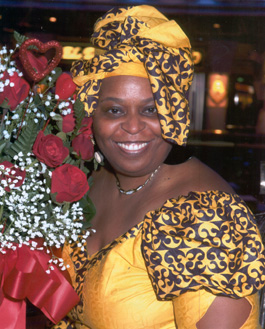
LAPA'S made by Mama Wanda Dickerson call (856) 365-4817 African
LAPA'S made by Mama Wanda Dickerson call (856) 365-4817
New African LAPA or
African wrapper/Wrap skirt/iro for
FEMALES
at
$20.00
DRUMS available for practice for
the MALES
WE MUST RESPECT, HONOR,
CELEBRATE AND
EDUCATE EVERYONE OF OUR RICH AFRICAN
HERITAGE, CULTURE AND HISTORY.
Not just in the month of February, but 365 days a year for
the rest of our lives.
Robert H.
Dickerson
Traditions are preserved through dance and music, and we want
to keep those traditions ALIVE.
Sayings by Baba Dr. Chuck Davis
Black on Black Crime, violence and hatred is the direct result of many African
Americans or Black families being destroyed or dysfunctional in some form or
another. We must stress to all religious, community and educational
institutions the value and importance of teaching our original culture, roots,
heritage, history and love for one another, especially to our young people.
Remember what the Honorable Marcus Garvey said, "A people without the knowledge
of their past history, origin and culture is like a tree without roots." When a person loves and appreciate who they are, they will respect themselves
and others.
by Robert H. Dickerson
Our Mission:
To educate
people about African Culture and history through music, art and the performing
arts, especially African Dance and Drum. In addition, we seek to instill
pride, dignity and enhance the understanding of the African American experience
in relationship to our African Heritage.
MESSAGE TO OUR AFRICAN BROTHERS and SISTERS from AFRICA:
Help us or say kind words for one of our
main purposes of educating and teaching our Black or African-American family
their ROOTS, HERITAGE and
Original Culture through the
performing arts of African Art, Dance, Drum and Music. This the true
essence of LOVE
and CHARACTER
when knowing your ancestors and yourself as beautiful KINGS and QUEENS.
by Robert Dickerson
PLEASE NOTE:
 All are welcome
to learn from the best instructors in America.
The Universal African Dance & Drum Ensemble's teachers and
officials have been taught by many great teachers from many countries in
Africa. We are known for our West African presentations, of
Guinea, Senegal, Mali, Ghana, Ivory Coast, Nigeria, The Gambia, Liberia, Sierra
Leone and more. We have been blessed to have learned songs, dance and
drum from a famous South African troupe called
Thula Sizwe. In 2007, Universal
African Dance & Drum Ensemble also had the privilege to learn and perform with a
wonderful group from KENYA, East Africa, called
The Friends of Sironka African Dance Troupe. All are welcome
to learn from the best instructors in America.
The Universal African Dance & Drum Ensemble's teachers and
officials have been taught by many great teachers from many countries in
Africa. We are known for our West African presentations, of
Guinea, Senegal, Mali, Ghana, Ivory Coast, Nigeria, The Gambia, Liberia, Sierra
Leone and more. We have been blessed to have learned songs, dance and
drum from a famous South African troupe called
Thula Sizwe. In 2007, Universal
African Dance & Drum Ensemble also had the privilege to learn and perform with a
wonderful group from KENYA, East Africa, called
The Friends of Sironka African Dance Troupe.
Les Ballet Africains
members
from West Africa (Guinea), has been our mentors, role-models,
teachers and the
group that we have modeled ourselves after.
The Universal African Dance & Drum Ensemble presents a powerful,
sensational, electrifying and educational performances and workshops for
everyone and especially for African-Americans (black people) in America to
easily appreciate their culture.
The true
value and cost of these traditional lessons
are actually priceless. However because of our love and
concern for our heritage, culture and community, we realize in most situations,
inner city families couldn't afford these lessons. Under our non-profit
organization (Unity Community Center) which is the parent organization to all of
our discipline, cultural, music and educational programs, the Universal African
Dance and Drum Ensemble and the Universal Pasha Karate School ask for a minimum
suggested monthly donations or dues.
Since our beginning in 1984,
all of the programs including our Dance, Drum and Karate School have been
responsible for teaching thousands of students. No student was ever
excluded from our programs because of not having the minimum suggested monthly
dues.
WE THE DICKERSON FAMILY of teachers,
our traditional African teachers and officials dedicate our time and our
specialized teachings to low-income urban areas, where single parents may need
the most help in the development of their children.
UNIVERSAL AFRICAN DANCE & DRUM ENSEMBLE
COURSE OUTLINE
The Universal African Dance &
Drum Ensemble is honored to offer an open class weekly to people of all ages.
It is important for us to bridge the gap of culture from Africa to America. We
hope that anyone who attends our class or becomes a member of our ensemble will
receive more than the art of dance and drum, but also embrace the beauty of
culture and family. To study or perform African Dance and Drum requires discipline and
dedication.
The African dance class offers
children and adults a forty-five minute combination or full hour of one dance
curriculum. In this curriculum we urge all students to attend every class to
excel to next level. We recommend that all students start at the novice level
and encompass the style, technique and energy from the class before they are
advanced.
Beginner /Novice Class:
This class is a great step into
the beauty of African Dance. The class concentrates on the fundamentals of the
style of African Dancing. In this class the instructors will teach the
importance of stretching and warming up, the relationship of dancing and
drumming, the importance of the drum break and dance drills. In our curriculum
we stress the importance of the students learning about the origin of different
dances and how each region of Africa has different styles of dance. This class
is ideal for anyone with little or no experience. Students generally start in
this class and remain until they are able complete the given curriculum. It
usually takes about 3-6 months of consistent participation before an instructor
recommends to the teacher to move to the next level
Intermediate Class:
This class is a little more
intense. The student should be able to execute the beginning classes’
curriculum, identify and demonstrate three or more dances and rhythms, show the
ability to work collectively with the novice students and dance alone/solo with
drummers to show the importance of dancer and drummer relations. In this class
proper technique, speed, agility and complexity are fundamental to prepare for
advancement.
Advanced Class:
This class is very intense,
requiring both technical ability and strength. The student is preparing for
performance level and should be able to instruct a novice class as well as know
the curriculum from novice to intermediate level and creatively solo to
curriculum based African Rhythms. From this class the instructors are more
critical on energy level, knowledge of rhythms dances and basic fundamentals of
lower level classes. The students will be expected to creatively choreograph a
5minuite dance presentation. This class is generally designed for students
with many years of training and involved in the total UCC Performing Arts
Programs.
Dress
Code:
African dancing is more about
spirit than physicality. We like for all students to show personality in
dancing as well as developing your own personal energy. Dress code is important
to obtain the best in your development. Baggy clothes, street clothes, socks,
and shoes are not permitted. Dance shoes are optional please keep in mind the
African dance is a natural art of dance so we generally rehearse and perform
barefoot, unless special circumstances.
ALL CLASSES ARE REQUIRED TO HAVE:
Lapa (wraps around waist with two
strings to tie together)
Normal size T-shirt (not too
big/too small. Comfy enough to observe body placement)
Dance Leotards / any color long
or knee length
(Black is preferred)
Dance shoes (optional)
Sports bra (if needed)
Note - On cool days, sweat shirts
or long sleeve shirt may be worn in class during warm up only. On hot days we
recommend you carry more than one t-shirt.
ALL CLASSES - HAIR MUST BE OFF THE FACE. RECOMMENDED ALL STUDENT WEAR HEAD BAND
OR HEAD WRAP.
 Contact
us to receive Promotional Package
Contact
us to receive Promotional Package
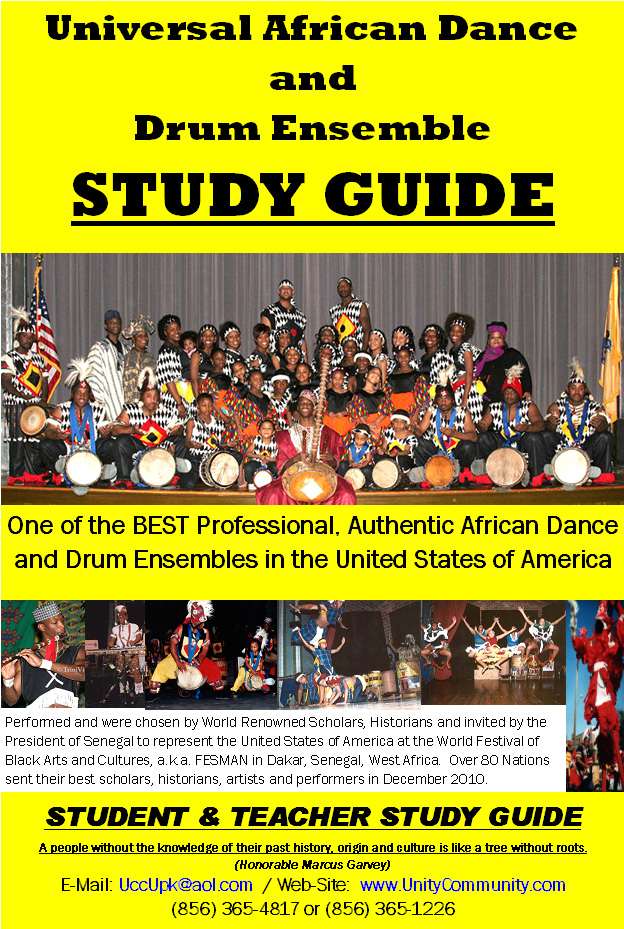 Contact us to receive
STUDY GUIDE
Contact us to receive
STUDY GUIDE
"THE ORIGINAL AFRICAN DANCE and DRUM
is where ALL DANCE and MUSIC COMES FROM"
Dance
From Wikipedia, the free encyclopedia
Dance (from
French danser, perhaps from
Frankish) is an
art
form that generally refers to
movement of the body, usually rhythmic and to music,[1]
used as a form of
expression,
social
interaction or presented in a
spiritual or
performance setting. Dance is also used to describe
methods of
non-verbal communication (see
body language) between humans or
animals (bee
dance,
patterns of behaviour such as a mating dance),
motion in inanimate objects (the
leaves danced in the
wind),
and certain
musical forms or
genres. In
sports,
gymnastics,
figure skating and
synchronized swimming are dance disciplines while
martial arts
kata are often compared to dances.
Definitions of what constitutes dance are dependent on
social,
cultural,
aesthetic,
artistic and
moral
constraints and range from functional movement (such as
folk dance) to
virtuoso techniques such as
ballet. Dance can be
participatory,
social or
performed for an
audience. It can also be
ceremonial,
competitive or
erotic. Dance movements may be without significance in
themselves, such as in
ballet or European
folk dance, or have a
gestural
vocabulary/symbolic
system as in many Asian dances. Dance can embody or express
ideas,
emotions or tell a
story.
Dancing has evolved many styles.
Breakdancing and
Krumping are related to the
hip hop culture. African dance is interpretive. Ballet,
Ballroom, Waltz, and Tango are classical styles of dance while
Square and the
Electric Slide are forms of
step dances.
Every dance, no matter what style, has
something in common. It not only involves
flexibility and body movement, but also physics.
If the proper physics is not taken into
consideration, injuries can and are
likely to occur.
Choreography is the art of creating dances.
The person who creates (i.e., choreographs) a
dance is known as the
choreographer.
Ethnochoreology, encompassing the dance-related aspects of
anthropology,
cultural studies,
gender studies,
area studies,
postcolonial theory,
ethnography, etc
African Dance is the original dance (The
first dance)
African Dance and
Drum are a
marriage.
In African Culture, FAMILY is Paramount.
A people without the knowledge of their past
history, origin and culture is like a tree without roots.
(Honorable Marcus Garvey)
"We must display and be the
beauty, righteousness and love of our culture."
(Robert Dickerson)
What is
CHARACTER?
A DISTINCTIVE MARK
The peculiar qualities impressed by nature or habit on a person, which
distinguish him from others; hence, a character is not formed when the
person has not acquired stable and distinctive qualities. The pattern of
behavior or personality found in an individual or group; moral constitution
The pattern of behavior or personality found in an individual or
group; moral constitution. Moral strength; self-discipline, fortitude, good
reputation.
Accompany- to go or be together with: attend 2.
To sent (with); add to ; supplement (to accompany words with acts) 3. To
play or sing a musical accompaniment for or to
Accompaniment- anything that accompanies something else: thing added,
usually for order or symmetry 2. Music a part, usually
instrumental, performed together with the main part for richer effect ( the
piano accompaniment to a song)
Accompanist- a person who plays or sings an accompaniment:
Attract- (1) to draw to itself or oneself; make approach
or adhere (2) to get the admiration, attention, etc. of;
attraction- (1) the act of attracting (2) power of attracting; esp.,
charm or fascination (3) anything that attract or is meant to attract / movies
are sometimes called attractions
 
CONTACT US- CLICK HERE
| 


